
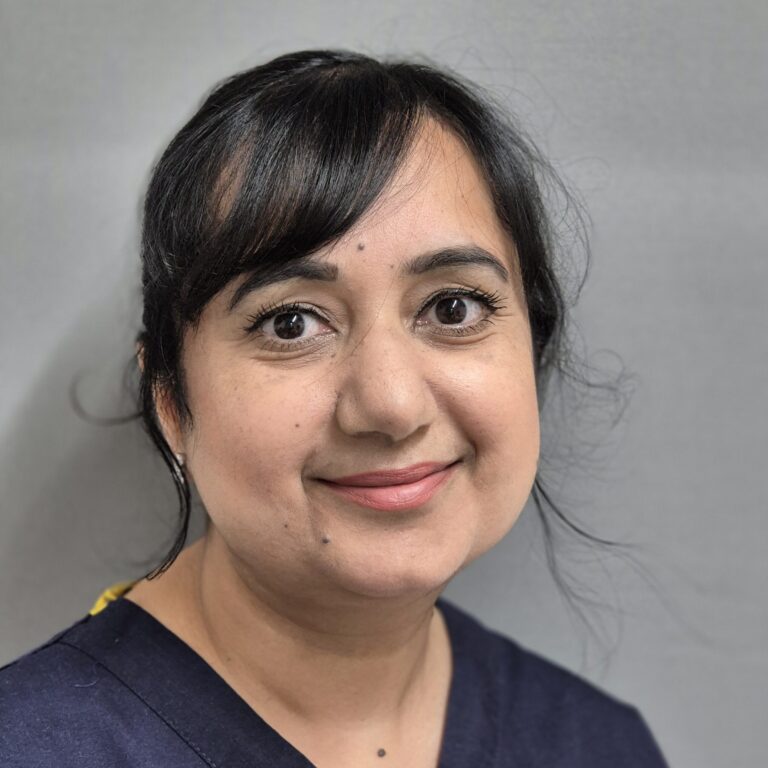
Majidha Hanif, Dental Hygienist at The Tooth Spa, Leeds. Majidha treats bleeding gums and gum disease at the practice.
Gums that bleed when you brush or floss are usually an early sign of gum inflammation (gingivitis), and it is worth seeing a dentist or hygienist if the bleeding lasts more than a week or two, keeps coming back, or comes with soreness, swelling, bad breath or loose teeth. Gum bleeding is very common and, caught early, is usually reversible with a professional clean and a better routine at home. See a doctor rather than waiting for a dental appointment if the bleeding is heavy or will not stop, or if you also have unexplained bruising, nosebleeds or feel unusually tired or unwell.
Why do gums bleed?
The most common cause is plaque, the soft, sticky film of bacteria that builds up along the gum line. If it is not removed by brushing and cleaning between the teeth, it irritates the gums. They become red, puffy and tender, and they bleed easily when touched. Over time plaque hardens into tartar, which you cannot brush away at home.
Other things can make bleeding more likely:
Starting to floss or use interdental brushes. Gums often bleed for the first week or two, then settle as they become healthier.
Pregnancy. Hormone changes make gums more sensitive, and “pregnancy gingivitis” is common.
Diabetes, particularly when blood sugar is not well controlled.
Medicines that thin the blood, such as anticoagulants or aspirin. Do not stop taking these without speaking to your doctor first.
Smoking. It can actually hide bleeding by reducing blood flow to the gums, so smokers may have gum disease without noticing.
Gingivitis and periodontitis: what is the difference?
-
1Healthy gumsPink and firm, sitting snugly around the tooth.
-
2GingivitisPlaque along the gum line makes the gums red, puffy and quick to bleed. It can generally be reversed.
-
3PeriodontitisInflammation spreads below the gum line to the bone. Gums shrink back and pockets form.
Gingivitis is inflammation of the gums only. It is where bleeding usually starts, and it can generally be reversed.
Periodontitis is when inflammation spreads below the gum line and starts to affect the bone and fibres that hold the teeth in place. Gums may shrink back and teeth can eventually become loose. Lost bone cannot usually be regrown, but treatment can stabilise the condition. Because periodontitis is often painless, bleeding gums may be the only warning sign you notice.
When should you see a dentist about bleeding gums?
Book a routine dentist or hygienist appointment if:
- your gums bleed when you brush, floss or eat hard foods such as apples, and it has not settled after a week or two of careful cleaning
- your gums look red, swollen or sore
- you have bad breath or a bad taste that does not go away
- your gums seem to be shrinking back, or your teeth look longer
- your child has sore or bleeding gums
When it is more urgent
Ask for an urgent dental appointment if you have very sore and swollen gums, teeth that are becoming loose, a swelling or abscess on the gum, ulcers or red or white patches in your mouth that have not healed within three weeks, or a lump in your mouth or on your lip. If you cannot get an urgent appointment, call NHS 111 for advice.
See your GP or call NHS 111 if bleeding gums come with unexplained bruising, frequent nosebleeds, tiredness, fevers or infections that keep coming back. These are rarely caused by a dental problem and should be checked by a doctor.
Go to A&E or call 999 if bleeding from your mouth is heavy and will not stop after 10 to 15 minutes of firm pressure with a clean, damp cloth, or if you have swelling in your face or neck that is making it hard to breathe or swallow.
What happens at your appointment?
-
1Gum check. Your dentist or hygienist looks at your gums and gently measures the space between each tooth and gum to see whether pockets have formed.
-
2X-rays if needed. These show the level of bone around your teeth.
-
3Professional clean. Plaque and tartar are removed above and, where needed, below the gum line. Numbing gel or a local anaesthetic can be used if your gums are tender.
-
4A plan for home, including the right size of interdental brush, and a review visit if you have gum disease.
At The Tooth Spa you can book directly with a hygienist without seeing a dentist first, and we will let you know if anything needs a dentist to look at it. If your gum disease is more advanced, one of our dentists will assess your gums and explain your treatment options. You can meet them on our Meet the Team page.
What does it cost?
Here are our current fees for the appointments most people start with. We will explain the cost of any further treatment before it starts.
| Appointment | Private fee | On our dental plan |
|---|---|---|
| Scale and polish with a hygienist | £77 | Included on Standard and Premium plans |
| Scale, polish and Airflow stain removal with a hygienist | £143 | Included on Standard and Premium plans |
| Direct access hygienist (no dentist check-up) | £119.90, or £179 with Airflow | Included on Standard and Premium plans |
| Adult routine examination | £59 | Included on all plans |
| X-ray | £10 | Included on all plans |
Our dental plan starts at £18.99 a month. The Standard plan (£26.99 a month) includes two check-ups and two hygienist visits with Airflow each year, and the Premium plan (£32.99 a month) includes four hygienist visits a year, which can suit people who need to keep gum disease under control. See all our prices on the fees page.
How to look after your gums at home
-
1Brush twice a day for two minutes with a fluoride toothpaste, angling the bristles gently towards the gum line.
-
2Spit after brushing but do not rinse, and do not use mouthwash straight after brushing.
-
3Clean between your teeth once a day with interdental brushes or floss. A little bleeding at first is normal. Keep going gently.
-
4If you smoke, stopping is one of the most helpful things you can do for your gums.
Frequently asked questions
Not sure whether to book? Call us on 0113 262 5545.
Should I stop brushing if my gums bleed?
Can bleeding gums go away on their own?
Is it normal for gums to bleed in pregnancy?
Will gum treatment hurt?
Can I lose teeth from gum disease?
Book a gum health appointment in Chapel Allerton
If your gums are bleeding, we can help. We offer evening and Saturday appointments and free parking. Call us on 0113 262 5545, contact us online, or visit The Tooth Spa at 47 Potternewton Lane, Chapel Allerton, Leeds LS7 3LW.
This article is general information and not a substitute for an examination and advice from a dentist. Clinically reviewed by Dr Ahmer Imtiaz, Principal Dentist (GDC 272118).