Anti-Snoring Devices in Leeds
Snoring is common, and for many people it affects their own sleep as well as their partner’s. At The Tooth Spa we can assess whether a custom-made anti-snoring device, worn over the teeth at night, may be suitable for you.
These devices do not work for everyone, and results vary from person to person. Your dentist will examine your teeth, gums and jaw, talk through your symptoms and explain honestly whether a device is likely to help before you decide.
For independent advice, the NHS has a helpful guide to snoring.
How Does an Anti-Snoring Device Work?
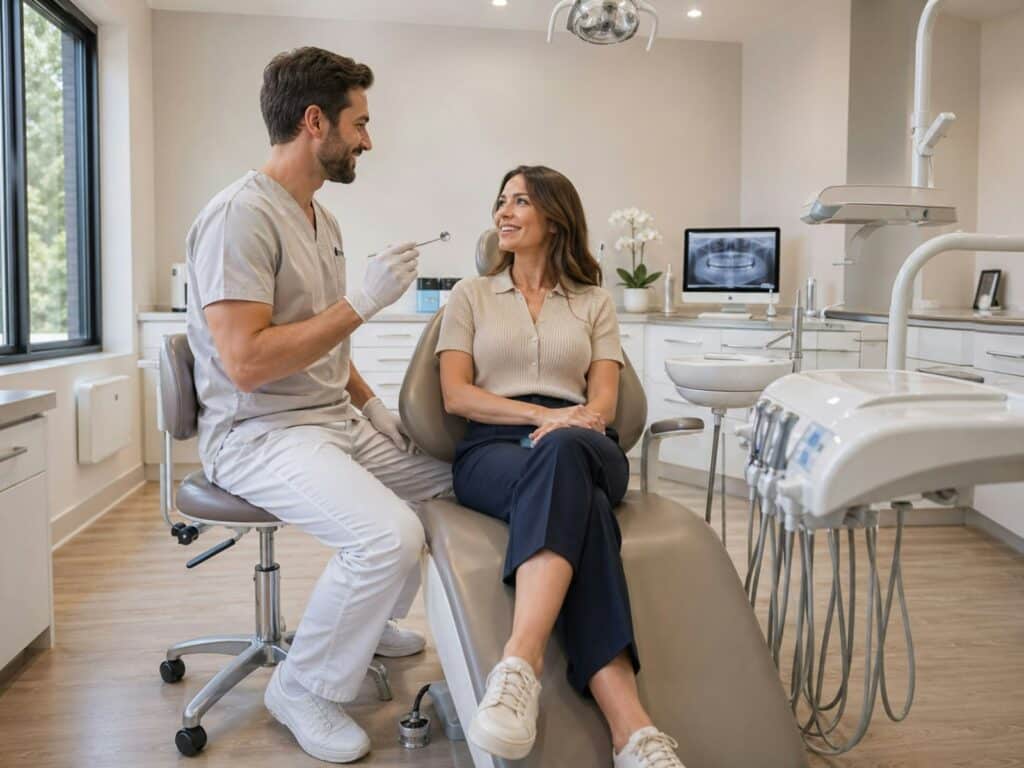
Snoring happens when the soft tissues at the back of the throat relax during sleep and partly narrow the airway. A dental anti-snoring device, sometimes called a mandibular advancement device, is made to fit your teeth and holds the lower jaw slightly forward. For some people this helps to keep the airway more open and can reduce snoring.
Because the device is made from impressions or scans of your own teeth, your teeth and gums need to be healthy enough to support it. We will check this at your consultation.

Snoring and Obstructive Sleep Apnoea
Loud snoring is sometimes a sign of obstructive sleep apnoea (OSA), a condition in which breathing repeatedly stops and starts during sleep. Signs can include:
- Gasping, snorting or choking noises during sleep
- Pauses in breathing noticed by a partner
- Waking unrefreshed or with a headache
- Feeling very sleepy during the day
Sleep apnoea is a medical condition that should be assessed by a doctor. We cannot diagnose it at the practice. If your symptoms suggest it, we will advise you to see your GP before any device is considered.

Other Ways to Reduce Snoring
Simple changes help some people. The NHS suggests sleeping on your side, keeping to a healthy weight, cutting down on alcohol, particularly in the evening, and stopping smoking. We are happy to talk these through with you alongside any device.
What Happens at Your Anti-Snoring Consultation?
Your dentist will ask about your snoring, your sleep and your general health, and may ask what your partner has noticed. They will examine your teeth, gums and jaw joints to check whether anti-snoring devices are suitable for you. If you decide to go ahead, impressions or scans of your teeth are taken so the device can be made to fit.
Snoring is often worse after alcohol, when you are very tired or when you sleep on your back, so your dentist may suggest small changes alongside any device.
Getting Used to Your Device
It can take a little time to get used to sleeping with a device. Some people notice extra saliva, a slightly tight jaw or teeth that feel different in the morning, and these effects often settle as you adjust. Clean the device every day as advised, and bring it to your check-ups so we can make sure it still fits well. Contact us if your jaw becomes painful.
When a Device May Not Be Suitable
A device may not be the right choice if you have very few natural teeth, loose teeth, active gum disease or problems with your jaw joints. Your dentist will talk you through other options and, where appropriate, recommend that you speak to your GP.
Book a Consultation at The Tooth Spa
If snoring is affecting you or your household, call The Tooth Spa on 0113 262 5545 or contact our team to arrange a consultation at our Leeds dental practice. Fees will be explained before any treatment begins.
Anti-Snoring Devices in Leeds

The Tooth Spa is a private dental practice in Chapel Allerton, Leeds, offering custom-made anti-snoring devices alongside general, cosmetic and emergency care for patients across Leeds.
We also provide dental implants and Invisalign, and our emergency dentist team offers same-day appointments. Free parking is available in Leeds LS7. Call 0113 262 5545 or book online.